

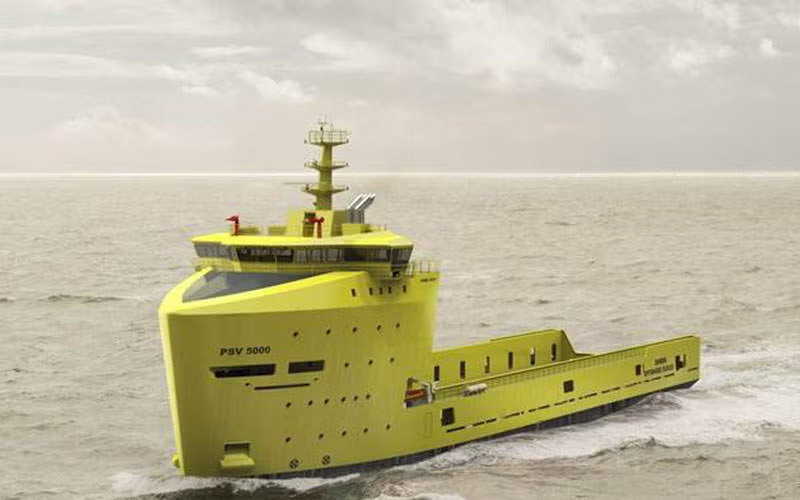

Operating in some of the harshest marine environments, PSV vessels—or platform supply vessels—serve as vital support ships for offshore oil, gas, and renewable energy installations. These vessels transport supplies, equipment, and personnel while facing rough seas, high winds, and potential hazards from cargo or proximity to platforms. Safety remains paramount in their design and operation. The safety systems and regulations for PSV vessels ensure protection for crews, the environment, and assets. From advanced navigation tools to emergency response features, these elements follow strict international standards. Understanding these safety systems and regulations highlights the industry’s commitment to risk reduction. This article examines key features, regulatory frameworks, and best practices that keep PSV vessels secure during demanding offshore tasks.
The Importance of Safety in PSV Vessel Operations
PSV vessels encounter unique challenges that demand robust safety measures. They often work near fixed or floating structures, handling cargoes like fuels, chemicals, and heavy equipment. Risks include collisions, fires, spills, or personnel transfers in adverse weather. Effective safety systems on PSV vessels mitigate these dangers, while regulations provide a structured approach to prevention.
Operators prioritize safety to avoid accidents, protect lives, and minimize environmental impact. Modern PSV vessels integrate technology and design features that exceed basic requirements, reflecting lessons from past incidents and evolving industry needs. Crew training, regular drills, and maintenance play crucial roles alongside built-in systems. As offshore activities expand into deeper waters and renewable sectors, the safety systems and regulations for PSV vessels continue adapting to new challenges, ensuring reliable performance in remote locations.
Key Safety Systems on PSV Vessels
PSV vessels incorporate a range of specialized safety systems tailored to their roles. One standout feature is the dynamic positioning system, which uses thrusters, sensors, and computers to maintain position without anchors. This proves essential for safe cargo transfers near platforms, especially in strong currents or winds. Many PSV vessels achieve higher redundancy levels, providing backup in case of failures and enhancing overall reliability.
Fire-fighting capabilities form another critical component. Vessels often equip high-capacity pumps, monitors, and foam systems to combat potential blazes from flammable cargoes or machinery. Some designs include external fire-fighting notations, allowing response to platform emergencies. Life-saving appliances, such as enclosed lifeboats, rescue boats, and fast rescue craft, ensure rapid evacuation or recovery in distress situations.
Navigation and communication safety systems include advanced radar, GPS, and distress signaling equipment. Bridge designs prioritize visibility and ergonomics, reducing human error. Accommodation areas feature enhanced fire detection, suppression, and ventilation to protect crews during extended voyages. Ballast water management and anti-fouling measures address environmental safety, preventing invasive species spread or pollution. These integrated safety systems transform PSV vessels into resilient platforms capable of handling emergencies effectively.
Regulatory Framework Governing PSV Vessels
A comprehensive set of regulations oversees PSV vessels to uphold safety standards globally. The International Maritime Organization sets the foundation through conventions like SOLAS, which applies to most merchant ships including offshore support vessels. SOLAS covers construction, stability, machinery, fire protection, and life-saving appliances, ensuring PSV vessels meet minimum criteria for seaworthiness.
For vessels carrying more personnel, the Special Purpose Ships Code provides additional guidance on accommodations and safety. Classification societies play a vital role, developing detailed rules for hull strength, equipment, and systems. Societies like DNV, ABS, and Bureau Veritas issue notations for features such as dynamic positioning or fire-fighting, verifying compliance through surveys.
National authorities enforce these regulations via flag state requirements, while port states conduct inspections. Environmental rules, including ballast water treatment and emission controls, integrate into the framework. Hazardous cargo handling follows codes for dangerous goods, with segregated storage and spill prevention measures. Regular audits and certifications maintain adherence, fostering a culture of continuous improvement in PSV vessel safety.
Life-Saving and Emergency Response Features
Emergency preparedness defines safety systems on PSV vessels. Life-saving equipment includes multiple lifeboats or rafts capable of carrying all persons on board, plus immersion suits for cold waters. Muster stations and clear embarkation routes facilitate orderly abandonment.
Many PSV vessels serve standby or rescue roles, equipped with fast rescue craft and medical facilities. Man-overboard recovery systems and searchlights aid nighttime operations. Emergency shutdowns for machinery and cargo transfers prevent escalation during incidents.
Drills simulate scenarios like fires or collisions, training crews in response protocols. Communication links to shore and platforms ensure coordinated rescues. These features align with regulations emphasizing rapid, effective action to save lives at sea.
Fire Protection and Prevention Measures
Fire poses a significant threat on PSV vessels due to fuel and chemical cargoes. Safety systems include automated detection in engine rooms, accommodations, and cargo areas, triggering alarms and suppression.
Fixed systems use CO2, foam, or water mist in machinery spaces, while portable extinguishers cover decks. Structural fire protection involves insulated boundaries and non-combustible materials. Ventilation shutdowns contain smoke spread.
Regulations mandate regular inspections of equipment and crew training in firefighting. Some vessels add external capabilities for platform assistance, underscoring their multi-role safety contributions.
Navigation and Collision Avoidance Systems
Safe navigation underpins PSV vessel operations in congested offshore fields. Advanced safety systems feature electronic chart displays, automatic identification systems, and radar for collision avoidance.
Dynamic positioning integrates with these for precise maneuvering. Bridge watchkeeping follows strict protocols, with alarms for deviations. Regulations require voyage planning and weather monitoring to anticipate risks.
These tools reduce grounding or contact incidents, protecting vessels and installations alike.
Environmental and Operational Safety Considerations
Beyond human safety, PSV vessels address ecological impacts through dedicated systems. Ballast water treatment prevents biological transfers, while efficient propulsion lowers emissions.
Cargo tank designs and overfill prevention minimize spill risks. Waste management and recycling align with pollution regulations.
Operational practices, like risk assessments for transfers, enhance safety. Hybrid power options improve efficiency and reduce hazards from traditional fuels.
Conclusion
The safety systems and regulations for PSV vessels represent a layered approach to risk management in offshore environments. From dynamic positioning and fire-fighting gear to life-saving appliances and navigation aids, these elements work together to safeguard crews and operations. Guided by international conventions and classification rules, PSV vessels embody engineering focused on prevention and response. As the industry advances, ongoing refinements ensure these vessels remain reliable guardians of offshore activities.
FAQs
What is dynamic positioning on PSV vessels?
Dynamic positioning is a system that automatically maintains a vessel’s position using thrusters and sensors, crucial for safe operations near platforms without anchoring.
Why do PSV vessels need advanced fire-fighting systems?
Due to carrying flammable cargoes and operating near oil installations, enhanced fire protection helps contain and extinguish fires quickly.
Are PSV vessels subject to SOLAS regulations?
Yes, PSV vessels generally comply with relevant SOLAS chapters on construction, equipment, and safety of life at sea.
What role do classification societies play in PSV vessel safety?
They develop rules, conduct surveys, and issue certifications to verify compliance with structural and system standards.
How do PSV vessels handle emergency evacuations?
They carry lifeboats, rescue craft, and survival suits, with trained crews conducting regular drills for efficient response.
Do regulations cover environmental safety on PSV vessels?
Yes, requirements include ballast water management and emission controls to protect marine ecosystems.
